Growing Cannabis Outdoors vs Indoors
Published: September 17, 2025
Growing Cannabis Outdoors vs Indoors
Cannabis plants are remarkably adaptable with a long history of growing in a wide variety of places. From rugged mountains and windswept plains to high tech labs with the latest equipment, cannabis cultivation is a global phenomenon. So, what’s the big difference between cannabis grown indoors and outdoors? Before we dive in, let’s start off with where cannabis grows naturally.
Where Does Cannabis Grow Naturally?
Cannabis grows naturally across much of the globe. Long before we had cutting edge grow rooms, legal dispensaries and regulated markets, weed was growing wild in favorable climates around the world.
Cannabis is often divided into 3 species of plants – Cannabis sativa, Cannabis indica and Cannabis ruderalis. It’s believed that Cannabis sativa originated in central Asia where lots of sunlight, well-drained soil and moderate rainfall provided a perfect environment. Cannabis indica has roots surrounding the Hindu Kush Mountain ranges of Afghanistan and Pakistan. Last on our list we have Cannabis ruderalis – which likely originated in Central and Eastern Europe, and Russia. Over thousands of years, cannabis has naturally spread across the globe and can now be found growing in the wild on nearly every continent on Earth.
Growing Outdoors
Growing cannabis outdoors is cost-effective, sustainable and allows for large-scale production. However, it also means battling the elements, pests and limited grow seasons can result in inconsistent quality.
Advantages
- Cost-effective
- Lower environmental impact/more sustainable
- Large-scale production
Disadvantages
- Unpredictable conditions and limited control over the environment
- Limited growing seasons in some climates
- Inconsistent quality
Indoor Cultivation
Indoor cannabis cultivation provides a host of benefits such as precision control over the environment, more harvests and top-quality buds. But it can also be expensive and resource intensive.
Advantages
- Control over environmental factors like light levels, temperature, humidity, and more
- Multiple harvests per year
- Top-shelf quality
Disadvantages
- Costly and requires a significant amount of work to upkeep
- Resource intensive process
How is Cloud Cover Flower Grown?
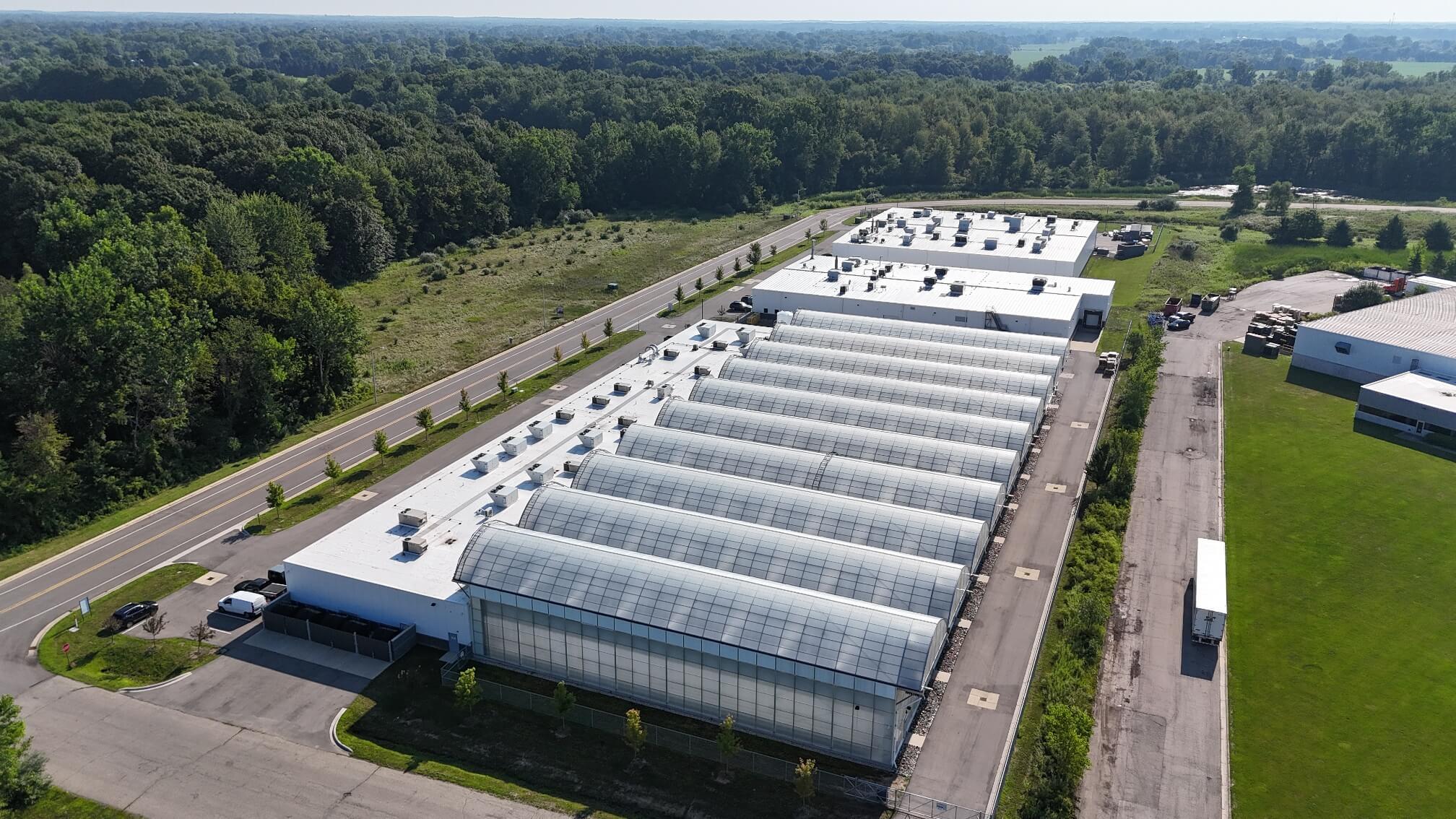
Our indoor cannabis cultivation facility is purpose-built with dedicated grow rooms to simulate the full lifecycle of cannabis plants. Our skilled cultivators merge art and science, and apply best-in-class technology to a highly curated genetic library; the result is premium cannabis flower for our customers. Careful control over environmental factors and our small batch approach here at Cloud Cover ensures maximum potency, flavor, and quality.
Precision Controlled Environments at Cloud Cover
- Individual rooms replicate different growth stage environments to minimize plant stress and ensure vibrancy
- A closed-loop air system continuously cleans and circulates air enriched with optimal humidity levels
- Precision irrigation delivers exactly the right balance of water and nutrients for each plant
This degree of environmental control ensures plants develop to be healthy and strong with exceptional terpene expression throughout.
Conclusion
Growing cannabis and cultivating marijuana is about craft and precision – blending time-tested traditional growing techniques with lab proven precision. The decision to grow cannabis indoors or outdoors depends on a variety of factors, and each method presents its own advantages and disadvantages. But for the best results, cultivators looking to grow premium flower trust the control and consistency of indoor grows to deliver top-shelf buds to customers. Find Cloud Cover flower at a dispensary near you and follow our social media accounts to learn more about our brand.
It’s important to remember that growing cannabis is still illegal in many parts of the United States (and across the globe). If you’re in an area where it is legal to grow cannabis, make sure to consult local and state laws before starting your grow and be mindful of limits. This information is provided for educational purposes and does not constitute legal advice.